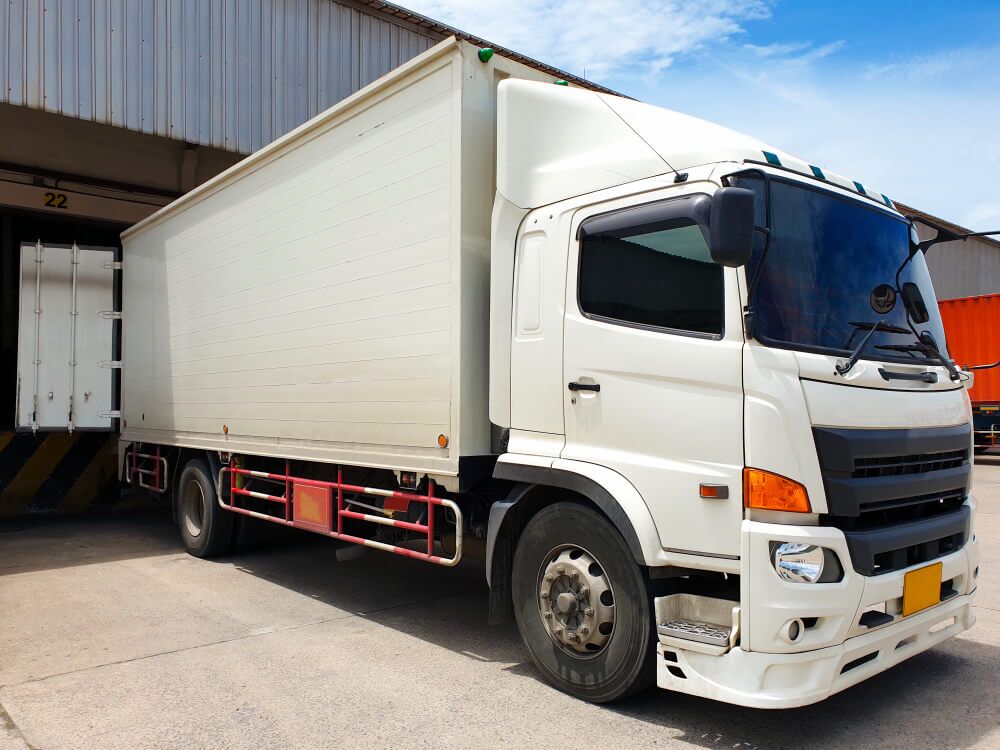
Your delivery truck breaks down on I-485 during rush hour, and you call your regular roadside assistance service. Twenty minutes later, the driver takes one look at your 16-foot box truck and shakes his head. “Sorry, we can’t tow this. You need heavy-duty equipment.”
This scenario happens daily to Charlotte business owners who discover too late that standard tow trucks cannot safely handle box truck towing. Regular towing equipment lacks the capacity, specialized tools, and safety features required for commercial vehicles weighing 10,000 to 26,000 pounds. Understanding these limitations helps business owners make informed decisions during roadside emergencies.
This guide explains why box truck towing requires specialized heavy-duty services, covering weight restrictions, equipment differences, and the risks of using inadequate towing methods. Sunny Day Towing & Auto Transportation at (704) 504-7449 provides professional heavy-duty services throughout Charlotte, Gastonia, Pineville, and Matthews, ensuring your commercial vehicle receives proper care during breakdown situations.
Understanding Box Truck Weight and Size Limitations
Regular tow trucks typically handle vehicles weighing up to 7,000 to 10,000 pounds safely. Box trucks used by Charlotte businesses often exceed these limits significantly, even when empty.
A typical 16-foot box truck weighs between 12,000 and 16,000 pounds without cargo. Add delivery inventory, moving supplies, or commercial equipment, and the total weight can reach 26,000 pounds. This weight exceeds the safe towing capacity of standard roadside assistance vehicles by two to three times.
Size Challenges Beyond Weight
Length creates additional complications for box truck towing that regular services cannot address. Box trucks measure 16 to 26 feet long, requiring specialized equipment to lift and secure properly. Standard tow trucks lack the wheelbase and stability needed to handle these extended vehicles safely.
Height restrictions compound the problem when box trucks measure 10 to 13 feet tall. Regular tow truck operators cannot safely navigate overpasses, parking structures, or tree-lined streets with these oversized loads.
Commercial vehicle classifications determine towing requirements based on gross vehicle weight ratings. Class 3 trucks (10,001 to 14,000 pounds) and Class 4 trucks (14,001 to 16,000 pounds) require heavy-duty towing equipment that standard services do not carry.
Equipment Differences Between Regular and Heavy-Duty Towing
Standard tow trucks use light-duty equipment designed for passenger cars and small pickup trucks. Their hydraulic systems, winches, and lifting mechanisms cannot generate the force needed for safe box truck towing operations.
Heavy-duty tow trucks feature industrial-grade hydraulic systems with lifting capacities ranging from 15,000 to 50,000 pounds. These trucks include reinforced frames, larger engines, and specialized transmission systems designed to handle commercial vehicle recovery and other modified vehicle towing.
Winch and Cable Specifications
Regular tow trucks typically include winches rated for 8,000 to 12,000 pounds of pulling force. Box truck towing requires winch systems rated for 20,000 to 35,000 pounds to handle stuck or damaged vehicles safely.
Cable strength becomes critical when recovering box trucks from ditches, soft ground, or accident scenes. Heavy-duty services use steel cables rated for twice the vehicle’s weight to ensure safe recovery operations.
Specialized lifting equipment includes wheel-lift systems and underlift attachments designed specifically for commercial vehicles. These systems distribute weight properly and secure box trucks without damaging suspension components or body panels.
Air Brake Systems and Commercial Vehicle Complications
Box trucks often include air brake systems that create additional complications during towing operations. Regular tow truck operators lack the training and equipment needed to properly disconnect and secure these systems.
Air brake systems require specialized procedures to prevent brake lock-up during transport. Improper handling can damage brake components and create safety hazards for other drivers on Charlotte highways.
Common Damage and Safety Risks From Improper Box Truck Towing
Attempting box truck towing with inadequate equipment creates expensive damage that affects vehicle reliability and business operations. Frame damage occurs when regular tow trucks exceed their lifting capacity and stress commercial vehicle structures beyond design limits.
Suspension and axle components suffer damage when tow truck operators use improper lifting points or exceed weight distributions. Repairing these systems often costs thousands of dollars and requires extended downtime.
Body and Structural Damage
Regular tow trucks lack the clearance needed to avoid scraping box truck bodies during loading and transport. Ground clearance issues create damage to bumpers, running boards, and lower body panels that affect vehicle appearance and resale value.
Improper securing methods cause additional damage when box trucks shift during transport. Standard chains and straps designed for passenger vehicles cannot adequately secure commercial vehicles, leading to movement that damages both the towed vehicle and the tow truck.
Safety risks extend beyond vehicle damage when improperly towed box trucks become unstable on Charlotte highways. I-77, I-485, and I-85 experience heavy traffic that makes towing mishaps particularly dangerous for all drivers.
Business Impact of Improper Towing Decisions
Charlotte businesses depend on reliable transportation for customer deliveries, service calls, and operational efficiency. Box truck breakdowns create immediate pressure to restore service quickly, but choosing inadequate towing services often extends problems rather than solving them.
Delivery schedule disruptions affect customer satisfaction and business reputation when box trucks remain out of service for extended periods. Small businesses in Gastonia, Pineville, and Matthews particularly feel these impacts due to limited backup vehicle options.
Financial Consequences
Extended downtime while repairing damage from improper box truck towing costs businesses more than professional heavy-duty services. Repair expenses for frame damage, suspension problems, and body work often exceed proper towing costs by 500 to 1,000 percent.
Insurance complications arise when companies discover their commercial policies do not cover damage caused by inadequate towing methods. Many policies specifically exclude coverage for damage resulting from improper vehicle handling or transport.
Lost revenue during vehicle repairs compounds the financial impact on businesses that rely on box trucks for daily operations. Professional heavy-duty towing minimizes these costs by preventing damage and reducing recovery time.
When to Choose Professional Heavy-Duty Services
Business owners should request heavy-duty services for any vehicle weighing more than 10,000 pounds or measuring longer than standard pickup trucks. Box truck towing always requires specialized equipment regardless of the breakdown location or apparent simplicity.
Questions to ask potential towing companies include their maximum towing capacity, available heavy-duty equipment, and experience with commercial vehicles. Reputable services provide specific details about their capabilities rather than general assurances.
What Professional Heavy-Duty Services Provide
Sunny Day Towing & Auto Transportation uses specialized heavy-duty equipment designed specifically for box truck towing and commercial vehicle recovery. Our 24-hour service at (704) 504-7449 ensures Charlotte area businesses receive prompt professional assistance during vehicle emergencies.
We provide trained operators who understand commercial vehicle systems, proper lifting procedures, and safety requirements for transporting box trucks on public highways. Our equipment includes multiple heavy-duty trucks capable of handling vehicles up to 26,000 pounds safely.
Professional documentation and insurance coordination help businesses manage claims and minimize administrative burdens during vehicle recovery situations. We work directly with commercial insurance companies and fleet management systems to streamline the process.
Conclusion
Regular tow trucks cannot safely handle box truck towing due to weight limitations, inadequate equipment, and safety restrictions. Commercial vehicles require specialized heavy-duty services that provide proper lifting capacity, trained operators, and appropriate safety equipment.
Professional heavy-duty towing protects your business investment while minimizing downtime and avoiding expensive damage from improper recovery methods. The cost difference between regular and heavy-duty services becomes insignificant compared to potential repair expenses and business disruption.
Contact Sunny Day Towing & Auto Transportation at (704) 504-7449 for reliable box truck towing throughout Charlotte and surrounding communities. We provide the specialized equipment and professional expertise your commercial vehicles require during breakdown emergencies.