
Losing your only car key is a gut-punch, especially if you’re stuck at home, at work, or in a parking lot with no easy way to move the vehicle. You might be wondering whether a locksmith can make a key without the original, or if you’re forced to tow the car to a dealer. This article breaks down what’s usually possible, what information a locksmith needs, and what can make the process faster or more complicated. If you’re in the Charlotte area and need help on-site, a mobile locksmith is often a practical starting point, and you can reach Sunny Day Towing & Auto Transportation at (704) 504-7449 to discuss options.
Quick answer: yes, often, but it depends on your car and the key type
In many cases, a locksmith can make a key without the original, but the outcome depends on what kind of key your vehicle uses and what condition the car is in.
If your car uses a basic mechanical key, a locksmith may be able to cut a new one by decoding the lock or using a key code. If your car uses a transponder key, remote fob, or push-to-start smart key, the locksmith typically needs to both cut the key and program it to the vehicle’s immobilizer system. Some vehicles support aftermarket keys and programming tools readily, while others are limited, require special procedures, or occasionally push you toward a dealership solution.
A second factor is access. If the car is locked, the battery is dead, or the steering is locked in a way that prevents movement, the locksmith’s approach can change.
What “no original key” usually means in real life
People mean different things when they say they have “no key,” and that affects what a locksmith can do.
Lost all keys vs. locked out with keys inside
If you locked your keys inside the vehicle, you often don’t need a brand-new key right away. A lockout service can usually get you back in, and you can retrieve your existing keys. That’s typically simpler than creating a new key from scratch.
If you lost all keys, that’s the true “no original key” scenario. The locksmith is starting from zero: gaining access if needed, determining the key system, cutting a correct key, and programming it so the car will start.
Broken key vs. key that won’t turn
A snapped key is different from a missing key. Sometimes the locksmith can use the broken pieces to identify the key blank and cut pattern, or at least confirm what style of key you need.
If the key is present but won’t turn, the problem may be wear, a damaged key blade, a binding steering wheel lock, or an ignition cylinder issue. In that case, “making a new key” may not solve the underlying mechanical problem, and forcing it can create more damage.
Key types and what a locksmith can do for each
Modern vehicle keys are part metal key, part electronics. Knowing which system you have helps set realistic expectations.
Standard mechanical keys
Older vehicles and some basic models use a traditional metal key with no chip. A locksmith can often cut a working key without an original by decoding the lock or using key code information when available. The good news is there’s no programming step for the engine immobilizer because there isn’t one.
Transponder chip keys
Many vehicles use a key that looks like a normal key but contains a small transponder chip in the head. The car’s immobilizer has to recognize that chip before it will allow the engine to start. In these cases, the locksmith needs to cut the blade and program the transponder. If the key is cut correctly but not programmed, it may unlock the doors yet still not start the car.
Remote key fobs and flip keys
Some keys combine a transponder with remote lock and unlock buttons. Others use a separate fob and a metal key. The remote functions and the starting functions are related but not always identical. It’s possible for a key to start the car but have limited remote functionality if programming is incomplete or the replacement part does not fully match the vehicle.
Smart keys for push-to-start
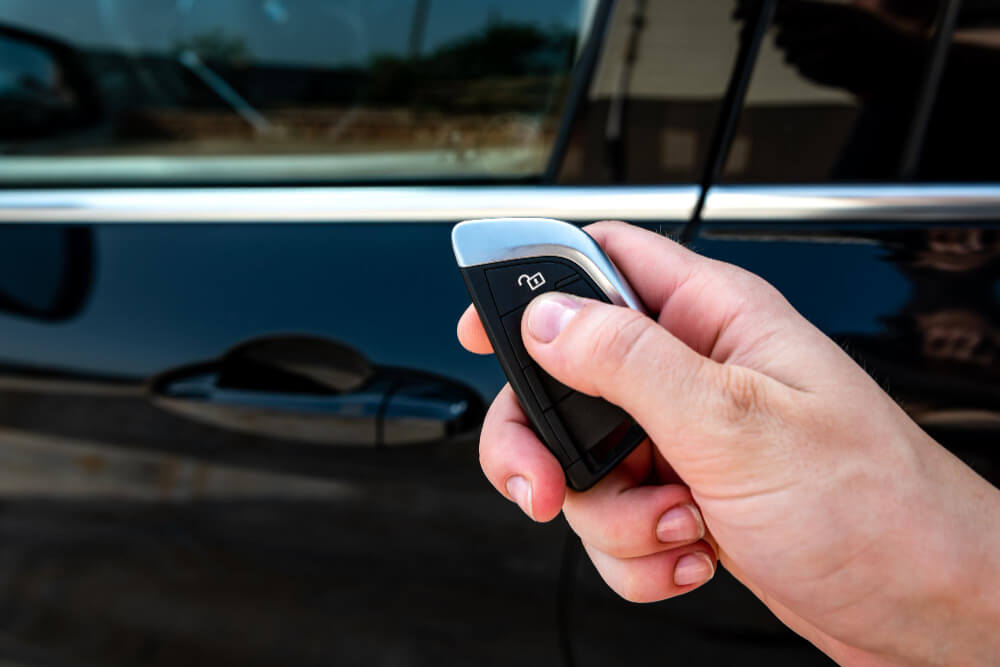
Push-to-start systems use a smart key that communicates with the vehicle when it’s nearby. Replacing one without an original can be more involved, especially in an all-keys-lost situation. Some vehicles require specific programming sequences, security checks, or tools that not every mobile locksmith carries for every brand. The locksmith may still be able to help, but it’s smart to understand that push-to-start replacements can be less predictable than older key styles.
What information and access a locksmith typically needs
Replacing a car key without the original is a security-sensitive service, so expect a legitimate locksmith to ask questions and verify ownership.
Proof of ownership and ID
Most locksmiths will require identification plus proof you own the vehicle or are authorized to access it. The exact documents can vary, but the goal is simple: prevent someone from getting a key made for a car they don’t own. If you’re locked out away from home, this can slow things down, so it helps to know what documentation you can access digitally or through a friend or family member.
Vehicle details: year, make, model, VIN
The locksmith needs the basics to identify the correct key type and whether programming is required. The VIN is especially useful. On some vehicles, the locksmith can use the VIN to determine key information, though procedures vary and may require additional verification.
Whether the car must be present and accessible
For electronic keys, the vehicle usually needs to be present because programming happens through the car. If the car’s battery is dead, that can also affect programming and testing. A locksmith may be able to jump the battery or use a power source, but it depends on the situation. If the steering is locked hard to one side and the car is in a tight spot, the locksmith may still make the key, but moving the vehicle could require separate help.
How the process works (step-by-step overview)
Here’s what typically happens when a locksmith makes a key without the original. Exact steps vary by vehicle and key system, but the general flow is similar.
- Verify ownership and vehicle details. This is usually first, and a reputable provider won’t skip it.
- Assess the key system. The locksmith identifies whether it’s a mechanical key, transponder, flip key, or smart key system.
- Gain entry if needed. If you’re locked out, they may perform a lockout so they can access the vehicle and work more effectively.
- Cut the key. This may be done using key code information, decoding the lock, or other methods depending on the vehicle.
- Program the key if required. For transponder and smart key systems, the new key must be introduced to the car’s immobilizer.
- Test everything. A proper finish includes testing door locks, ignition operation, and starting the vehicle, plus confirming remote functions when applicable.
In an all-keys-lost situation, some vehicles also allow the programming process to remove or disable missing keys so they no longer start the car. Whether that’s possible depends on the vehicle and the tools being used, so it’s something to ask about rather than assume.
Common complications that affect time, price, or feasibility
Two vehicles that look similar can have very different key systems. A few common issues can also change the plan.
Aftermarket alarms and remote starts can complicate programming because they add another layer between the key and the car’s start system. All-keys-lost situations can also involve security wait times or procedures designed to deter theft. Some European and luxury models have limited aftermarket support or require specialized equipment.
Mechanical problems matter too. If the ignition cylinder is damaged, extremely worn, or binding, cutting a perfect key may not solve it. If the door lock has been forced or is broken, decoding it can be harder. In cases where the car cannot be accessed, cannot be powered, or cannot be programmed on-site, towing the vehicle to a shop or dealer may be the next step.
How to avoid scams and prevent vehicle damage
When you’re stranded, it’s easy to accept the first offer. A little caution can save money and prevent damage.
Be wary of pricing that sounds far lower than anyone else’s without a clear explanation. Also be cautious with vague promises like “we can do every car” without asking for your year, make, model, and whether it’s push-to-start.
Drilling should be a last resort for most vehicle lockouts and key replacements. There are situations where damaged locks require more invasive work, but drilling a door lock or ignition creates additional repairs and should not be the default approach. If someone immediately pushes drilling without diagnosing the situation, it’s reasonable to pause and get a second opinion.
Before you authorize work, ask what they believe your key type is, whether programming is required, and what happens if the replacement key unlocks the door but won’t start the car. Clear answers are a good sign.
Prevention: simple backup strategies that save money later
Once you’re back on the road, it’s worth preventing a repeat. Having a spare key made while you still have a working key is often easier than replacing everything after an all-keys-lost situation. If your vehicle uses a smart key, consider a consistent storage routine at home and a plan for what you’ll do if the battery in the fob fails. Small habits reduce the chance of being stuck and needing urgent service.
When to call a mobile locksmith
If you’re locked out, lost all keys, or have a key that won’t work reliably, a mobile locksmith is often the most direct way to get help where the car sits. Many situations can be handled on-site, including cutting and programming for a wide range of vehicles, but some cars and conditions still require dealer-level tools or a tow to a shop.
The most helpful next step is to gather your vehicle details and be clear about the situation: lost all keys, push-to-start or not, whether the battery is dead, and whether the car is accessible. That helps the provider tell you what’s realistic before anyone is dispatched.
If you need help in Charlotte or the surrounding suburbs and aren’t sure whether you need a locksmith, a tow, or both, you can call Sunny Day Towing & Auto Transportation at (704) 504-7449. We can help you think through the safest next move and coordinate what’s needed to get you back on the road.


