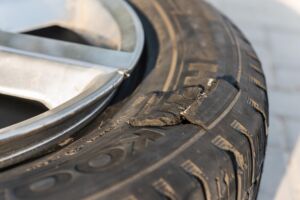
This is one of the most common reasons a “simple” tire change turns into a roadside problem. Lug nuts can seize from corrosion, get tightened too much during a previous tire service, or stop cooperating because the nut itself is damaged or the socket fit is wrong.
We’re Sunny Day Towing & Auto Transportation, and we help drivers in Charlotte and nearby communities like Gastonia, Pineville, and Matthews when a flat tire becomes a safety issue or you can’t get the wheel off. If you reach a point where it’s unsafe to continue or you’re worried about damaging parts, call us at (704) 504-7449. Before you do, here are practical, safe steps you can try.
Do this first so you don’t get hurt or damage the car
When people struggle with stuck lug nuts, the biggest risks come from working in a dangerous spot or using uncontrolled force. Take a moment to set up safely.
If you can move to a safer location without destroying the tire or wheel, that’s often the best first move. A well-lit parking lot beats a narrow shoulder. Turn on hazard lights and give yourself as much space as you can.
Then stabilize the vehicle:
- Set the parking brake.
- Put the vehicle in Park (automatic) or in gear (manual).
- If you have a wheel chock, use it. If not, a solid block of wood can help. Avoid rocks that can roll.
One key rule: loosen lug nuts while the tire is still on the ground. Once the vehicle is lifted, the wheel can spin and the car can shift on the jack, which makes everything harder and less safe.
Why lug nuts get stuck (and why it matters)
Knowing why a lug nut is stuck helps you choose the right approach and avoid making it worse.
Over-tightening is a common cause. If a shop used an impact wrench and didn’t finish with controlled torque, the lug nuts can be tighter than what a standard lug wrench can break loose on the roadside.
Corrosion is another major culprit. Moisture and road salt can work into threads over time, and rust can essentially glue the lug nut to the wheel stud. Heat cycles from braking can also contribute by repeatedly expanding and contracting metal parts.
Sometimes the issue is mechanical damage, such as cross-threading, where the lug nut was installed at an angle and jammed. Another frequent real-world issue is swollen “capped” lug nuts. These have a thin outer cover that can deform, so the socket that used to fit no longer grips properly. That leads to slipping and rounded corners.
Quick checks that can save you a lot of effort
Before you add more force, confirm the basics. These checks prevent wasted time and stripped hardware.
Make sure you’re turning the correct direction
For most vehicles, lug nuts loosen counterclockwise when you’re facing the wheel. The angle of the wrench can trick your brain, especially if you’re pushing downward at an odd orientation. Double-check before you commit.
Look for a locking lug nut
If one lug nut looks different, often with a patterned face, you may have a wheel lock. It requires a special key. If you don’t have it, forcing it rarely ends well.
Confirm the socket fits tightly
A socket that feels “close enough” is a warning sign. If the fit is loose, the socket can slip and round off the lug nut. If you suspect capped lug nuts, try a different socket size only if it seats firmly with minimal play. The right fit should feel solid and fully seated.
Safe ways to loosen stuck lug nuts (start gentle, then increase leverage)
If you’ve confirmed you have the correct fit and direction, the goal is controlled torque. Avoid sudden moves that can slip or throw you off balance.
Start with steady pressure. Keep the wrench as level as possible and push smoothly. Many people find it safer to push down with their body weight rather than pull up, especially if they’re near traffic.
If the factory tire iron is short, leverage may be your real problem. A longer handle, such as a breaker bar with the correct socket, gives you more mechanical advantage. It also tends to hold the socket squarely on the lug nut, which reduces slipping. If you use an extension like a pipe, be cautious. More leverage also means more potential to break a tool or damage a stud if something is already compromised.
Penetrating oil can help if rust is involved. Spray it at the base of the lug nut where it meets the stud area and let it soak for a few minutes. Be careful around the brakes. You don’t want oil on the rotor or pads. Penetrating oil is not a cure-all for over-tightened lug nuts, but it can make a big difference on corroded threads.
A small amount of controlled “shock” can also help. With the socket seated, a few light taps on the wrench handle can break the initial bond. The key is light and controlled. Avoid hammering the stud, the wheel, or anything you can’t easily replace.
If you already lifted the vehicle and the wheel spins while you try to loosen the lug nuts, it usually works better to lower the car until the tire touches the ground again. That gives you resistance and improves stability.
A quick order of operations that works for many people
- Re-seat the socket fully and confirm direction.
- Apply steady pressure with good footing and control.
- Increase leverage with a stronger, longer handle if available.
- Add penetrating oil and wait a few minutes if corrosion seems likely.
- Use light taps on the wrench handle, then try steady pressure again.
If you feel the tool slipping or the lug nut deforming, stop and reassess.
What not to do when lug nuts won’t budge
It’s easy to turn one stuck lug nut into multiple repairs. Avoid the most common mistakes:
- Don’t bounce, jump, or use wild force on a flimsy wrench. Slips cause injuries and rounded lug nuts.
- Don’t apply heat near tires, brakes, or unknown nearby components on the roadside. Controlled heating is a shop technique, not a safe shoulder technique.
- Don’t keep trying with a socket that doesn’t fit perfectly. If it’s slipping, it’s already damaging the lug nut.
- Don’t tighten the other lug nuts extra hard. That doesn’t help and can create the same problem later.
- Don’t keep driving on a fully flat tire just to reach a “better spot.” If you can’t move safely without damaging the wheel, it’s usually better to stop.
If the lug nut rounds off or the stud spins
Two situations are strong signs you should stop forcing it.
If the lug nut is rounding, you’ll see the corners flatten or the socket will spin without turning the nut. Once that happens, removal can require specialized extraction sockets or other techniques that are hard to do safely with basic roadside tools.
If the wheel stud spins with the lug nut, that can mean the stud is damaged or no longer anchored properly. In many cases, that becomes a repair job rather than a simple tire change. Continuing to force it can make the wheel harder to secure later.
When it’s time to call for help
Sometimes the smartest move is to stop before you create a bigger problem. It’s time to call for help if:
- You’re in an unsafe location, such as a tight shoulder, low visibility, or fast traffic.
- You don’t have the locking key.
- The lug nut is rounding, the socket won’t grip, or the stud is spinning.
- You’ve tried controlled leverage and it still will not move.
This is also where a mobile flat tire repair option can make sense. When you can’t remove the wheel safely, getting help can prevent damaged studs, broken tools, or an injury from a slip.
Preventing stuck lug nuts next time
A lot of stuck-lug situations start at the last tire service.
After wheels are installed, lug nuts should be tightened using the correct torque procedure for your vehicle. Over-tightening makes removal harder later, and uneven tightening can contribute to vibration and other issues.
If your vehicle uses capped lug nuts and you keep having socket-fit problems, replacing them with the correct one-piece lug nuts can reduce future headaches. Also, if you have locking lug nuts, keep the key somewhere you can access quickly during a roadside tire change.
Finally, consider your trunk toolkit. Many factory tire irons are short and flexy. A solid wrench or breaker bar and the correct socket can make a real difference when something is tighter than expected.
Conclusion
When lug nuts won’t loosen, the safest approach is calm, controlled troubleshooting. Confirm the direction, make sure the socket fits tightly, and apply steady pressure with proper leverage. Use penetrating oil and a little controlled tapping only when it makes sense, and stop if you see rounding or a spinning stud.
If you’re in the Charlotte area or nearby communities like Gastonia, Pineville, or Matthews and you need a safe next step, we’re Sunny Day Towing & Auto Transportation. Call (704) 504-7449 and we’ll help you get unstuck without turning a flat tire into a bigger repair.