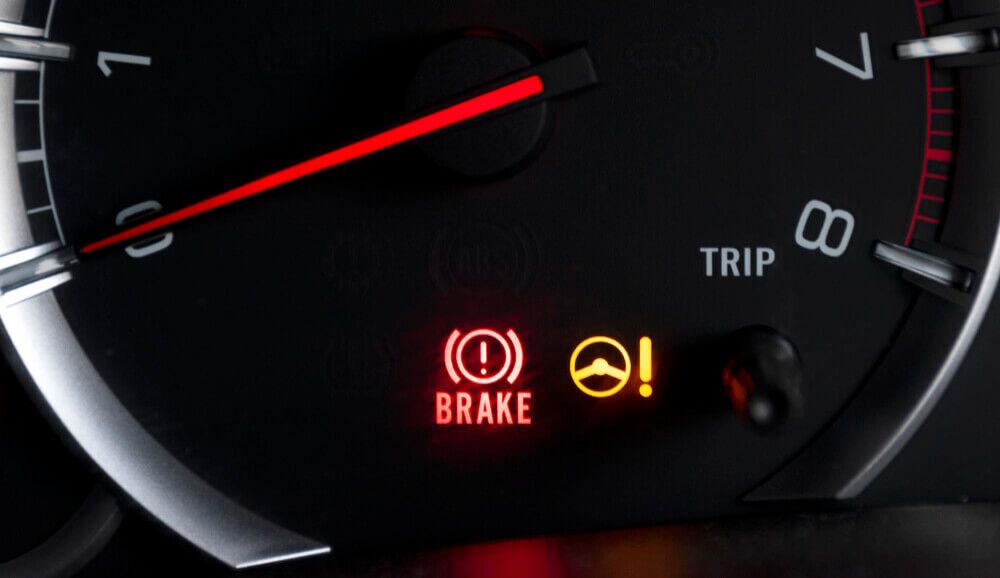
Your car communicates with you constantly through sounds, lights, and changes in performance. These signals often appear before mechanical problems become serious safety hazards. Understanding these car warning signs that prevent accidents helps you address issues early, before they lead to dangerous roadside emergencies or breakdowns in traffic.
At Sunny Day Towing & Auto Transportation, we respond to many situations where early attention to warning signs could have prevented the emergency. If you are ever in need of an accident recovery service, you can reach us immediately at (704) 504-7449.
This guide covers the most important warning signs your vehicle displays, what they mean, and when immediate action is necessary for your safety.
Dashboard Warning Lights You Should Never Ignore
Your dashboard serves as your car’s communication center, displaying warning lights that indicate potential problems. These lights aren’t suggestions – they’re urgent messages about your vehicle’s health and safety.
Check Engine Light appears when your car’s computer detects issues with the engine, emissions, or related systems. While it doesn’t always mean immediate danger, ignoring it can lead to more serious problems. A flashing check engine light indicates severe issues that require immediate attention to prevent engine damage or safety hazards.
Oil Pressure Warning Light signals potentially serious engine problems. Low oil pressure can cause engine failure, leaving you stranded in dangerous locations. This warning demands immediate action – pull over safely and turn off the engine.
Temperature Warning Light indicates engine overheating, which can cause sudden breakdowns and leave you vulnerable on busy highways. Overheated engines can seize, creating immediate safety risks.
Brake System Warning Light represents one of the most critical safety concerns. This light indicates problems with your braking system that could prevent you from stopping effectively. Never continue driving when this light appears.
Battery or Charging System Warning shows electrical system problems that can cause sudden power loss, leaving you without lights, signals, or power steering in traffic.
Sounds That Signal Trouble Ahead
Your ears are powerful diagnostic tools for identifying car warning signs that prevent accidents. Different sounds indicate specific problems that can worsen quickly without attention.
Squealing brakes start as a gentle reminder that brake pads need replacement. This sound comes from built-in wear indicators designed to warn you before brake failure occurs. Ignoring squealing leads to grinding, which means metal-on-metal contact that can cause brake failure and accidents.
Grinding noises from your wheels often indicate worn brake components, damaged wheel bearings, or transmission problems. These issues can cause sudden mechanical failure while driving, creating dangerous situations.
Unusual engine sounds like knocking or rattling suggest internal engine problems that can lead to engine failure. A seized engine can cause loss of power steering and other systems, making your vehicle difficult to control.
Tire noise patterns reveal uneven wear that can lead to blowouts. Tires that make excessive road noise or vibration often have internal damage or wear patterns that increase blowout risk, especially at highway speeds.
Physical Symptoms Your Car Shows
Physical changes in how your car feels and behaves often precede mechanical failures that can cause accidents.
Vibrations through the steering wheel, seats, or pedals indicate problems with wheels, tires, brakes, or suspension components. These issues can affect your ability to control the vehicle, especially during emergency maneuvers or adverse weather conditions.
Pulling to one side suggests alignment problems, uneven tire pressure, or brake issues. Cars that pull unexpectedly can be difficult to control, particularly when you need to make sudden steering corrections.
Steering wheel feedback changes like increased difficulty turning, unusual resistance, or excessive play indicate power steering or suspension problems. These issues can make emergency maneuvering impossible when you need it most.
Pedal feel changes in your brake or gas pedals often signal hydraulic problems or component wear that can lead to loss of vehicle control.
Fluid leaks create different concerns depending on the fluid type. Red fluid indicates transmission problems, green or orange suggests coolant leaks, and dark spots point to oil leaks. Each can cause specific types of mechanical failure.
Performance Changes That Indicate Problems
Gradual performance changes often signal developing problems that can leave you stranded in unsafe locations.
Starting difficulties suggest battery, alternator, or fuel system problems that can cause your car to stop running unexpectedly. Intermittent starting problems often worsen quickly, leaving you stranded without warning.
Power loss during acceleration or at highway speeds indicates engine or transmission problems that can create dangerous situations when you need to merge, pass, or maintain speed in traffic.
Transmission hesitation or rough shifting can progress to complete transmission failure, leaving you unable to move your vehicle out of traffic lanes.
Fuel economy drops often indicate engine problems, emissions system issues, or other mechanical problems that affect performance and reliability.
Idle problems like rough running or stalling can cause your engine to quit unexpectedly at traffic lights or in stop-and-go traffic.
When Warning Signs Become Safety Emergencies
Certain warning signs require immediate action to prevent accidents and dangerous situations. Understanding when to stop driving can prevent minor problems from becoming major safety hazards.
Highway driving amplifies the risks associated with mechanical problems. A tire blowout or engine failure at highway speeds creates more danger than the same problem in city traffic. Similarly, weather conditions like rain, snow, or ice make mechanical problems more dangerous.
Power steering failure, brake problems, or sudden engine shutdown can make your vehicle extremely difficult to control. These situations require immediate safe stopping and professional assistance.
Taking Action When You Notice Warning Signs
When you recognize car warning signs that prevent accidents, taking quick appropriate action protects your safety and prevents more extensive damage.
For serious symptoms like brake warnings, oil pressure lights, or engine overheating, pull over safely immediately and turn off the engine. Call for professional help rather than attempting to continue driving.
For less critical issues, you may be able to drive carefully to a nearby service facility, but avoid highway speeds and heavy traffic when possible.
Keep emergency contact numbers easily accessible in your phone, including reliable towing and roadside assistance services. Having these contacts ready eliminates the stress and delay of searching for help during emergencies.
Conclusion
Recognizing car warning signs that prevent accidents empowers you to address problems before they become dangerous emergencies. Your vehicle constantly communicates its condition through lights, sounds, vibrations, and performance changes. Paying attention to these signals and taking appropriate action protects your safety and saves money by preventing minor issues from becoming major repairs.
Regular attention to your car’s warning signs creates safer driving experiences for everyone on the road. When you do need professional assistance, Sunny Day Towing & Auto Transportation stands ready to help with reliable service throughout the Charlotte area. Contact us at (704) 504-7449 for emergency roadside assistance or when your vehicle’s warning signs indicate it’s time to seek professional help.